


![Frisches Gemüse Hydroponic anbauen: Dein kompletter Start-Guide [2025] - NEXCAPE](http://nexcape.de/cdn/shop/articles/frisches-gemuse-hydroponic-anbauen-dein-kompletter-start-guide-2025-478144.png?v=1745847549&width=1500)
Frisches Gemüse aus eigenem Anbau – klingt kompliziert? Ist es nicht!
Mit der richtigen Schritt-für-Schritt-Anleitung und ein paar cleveren Helfern kannst auch du schon bald knackige Salate, würzige Kräuter und aromatische Tomaten ernten – ganz einfach zuhause. Egal ob Garten, Balkon oder sogar Wohnzimmer: Hier erfährst du alles, was du wissen musst, um erfolgreich und dauerhaft dein eigenes Gemüse zu ziehen. Starte jetzt dein kleines Gartenabenteuer und erlebe, wie einfach und genial Selbstversorgung sein kann!

Dein Start: Schritt für Schritt zum gesunden Gemüse
Der eigene Gemüseanbau ist heute gefragter denn je. Egal ob auf dem Balkon, im Garten oder sogar in der Wohnung – mit der richtigen Anleitung und den passenden Hilfsmitteln kannst du schon bald dein eigenes frisches Gemüse ernten. In diesem umfassenden Guide begleiten wir dich Schritt für Schritt auf deinem Weg zur ersten eigenen Ernte.
1. Die richtige Auswahl der Pflanzen – der Grundstein für deinen Erfolg
Der erste Schritt auf deinem Weg zum erfolgreichen Gemüseanbau ist die Auswahl der passenden Pflanzen. Besonders als Einsteiger lohnt es sich, auf robuste und pflegeleichte Sorten zu setzen. Dazu zählen beispielsweise:
-
Salate (z. B. Kopfsalat, Pflücksalat)
-
Kräuter (z. B. Basilikum, Petersilie, Schnittlauch)
-
Radieschen
-
Mangold
-
Tomaten (insbesondere Cocktail- oder Buschtomaten)
-
Gurken (kleinwüchsige Sorten)
Diese Pflanzen stellen geringe Ansprüche und verzeihen auch kleine Pflegefehler.
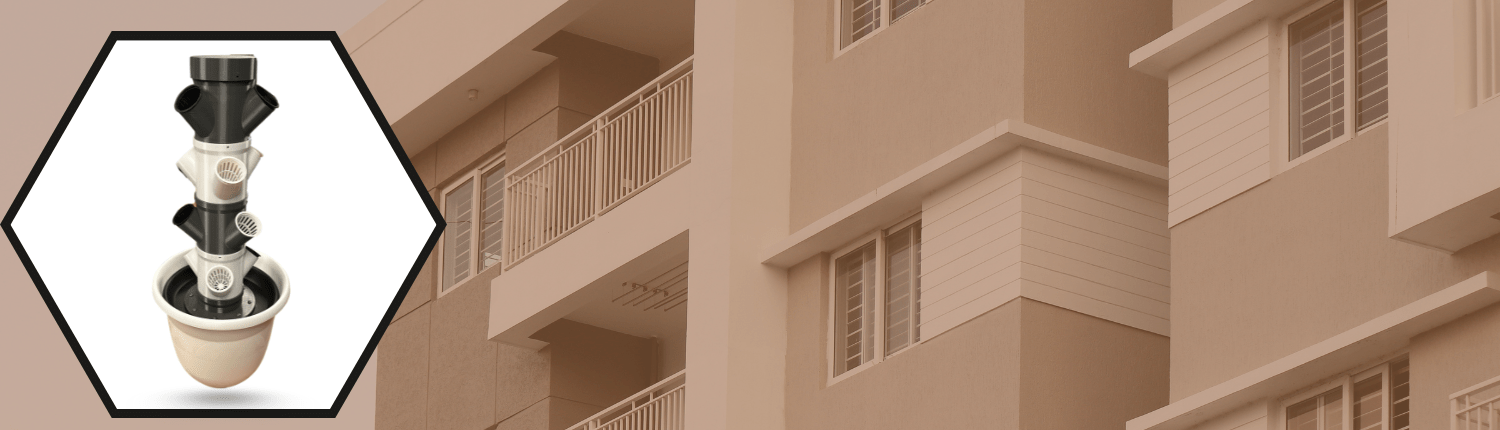
Ein echter Gamechanger ist hier der Anbau mit Hydroponik-Systemen. Durch den Verzicht auf Erde wachsen Pflanzen schneller, gesünder und sauberer. Gerade für Anfänger eignet sich unser Hydroponik-Turm für 12 Pflanzen perfekt, da er eine optimale Versorgung der Pflanzen mit Wasser und Nährstoffen ermöglicht.
2. Der perfekte Standort – das richtige Licht für deine Pflanzen
Pflanzen benötigen Licht als Energiequelle für die Photosynthese. Dabei gilt: Je mehr Licht, desto besser das Wachstum.
Achte bei deinem Standort auf folgende Punkte:
-
Tageslicht: 6–8 Stunden direktes Sonnenlicht pro Tag sind optimal.
-
Süd- oder Westausrichtung: Diese Ausrichtungen bieten am meisten Sonne.
-
Windschutz: Vermeide sehr zugige Plätze, damit die zarten Pflanzen nicht beschädigt werden.
-
Temperatur: Ideal sind Temperaturen zwischen 18 und 24 Grad Celsius.
Wenn du keinen hellen Platz hast, kann ein hydroponisches System wie unser Hydroponik-Turm für 12 Pflanzenkombiniert mit einer Pflanzen-LED-Leuchte eine perfekte Alternative sein. Damit kannst du sogar in dunkleren Räumen erfolgreich Gemüse anbauen.
3. Erde oder Hydroponik? – Wähle das passende Medium
Traditionell wachsen Pflanzen in Erde. Hochwertige Bio-Erde versorgt sie mit den wichtigsten Nährstoffen und bietet eine lockere Struktur, die Wasser speichert und Wurzeln atmen lässt. Achte beim Kauf darauf, torffreie Erde zu verwenden – der Umwelt zuliebe.
Hydroponik hingegen revolutioniert den Anbau. Hier wachsen deine Pflanzen ohne Erde, sondern in Wasser, das mit allen wichtigen Nährstoffen angereichert ist. Die Vorteile:
-
Bis zu 50 % schnelleres Wachstum
-
Weniger Platzbedarf
-
Kein Umtopfen
-
Kein Unkraut
Möchtest du die Vorteile der Hydroponik selbst erleben? Unser Hydroponik-Turm für 12 Pflanzen bietet dir die ideale Lösung für Zuhause oder den Balkon.
4. Säen oder Setzlinge pflanzen – So geht’s richtig
Je nach Pflanzensorte kannst du entweder selbst aussäen oder fertige Setzlinge verwenden. Hier eine kleine Übersicht:
Aussaat
-
Geeignet für Salate, Radieschen, Mangold oder Kräuter.
-
Achte auf die empfohlene Saattiefe auf der Verpackung (meist wenige Millimeter bis 1 cm).
-
Halte die Erde oder das Substrat stets feucht, aber nicht nass.
-
Verwende Anzuchtschalen oder direkt die vorgesehenen Plätze in deinem Hydroponik-System.
Setzlinge
-
Perfekt für Tomaten, Gurken oder Paprika.
-
Kaufe kräftige Jungpflanzen oder ziehe sie selbst vor.
-
Achte auf einen festen Wurzelballen und grüne, vitale Blätter.
Beim Hydroponik-Anbau platzierst du die Setzlinge einfach in die vorgesehenen Körbchen im Hydroponik-Turm für 12 Pflanzen. Die Versorgung erfolgt dann automatisch über die Nährstofflösung.
5. Pflege deiner Pflanzen – Wasser, Dünger und kleine Tricks
Gesunde Pflanzen brauchen regelmäßig Pflege. Aber keine Sorge: Mit ein paar einfachen Handgriffen bleibt dein Gemüseanbau überschaubar.
Gießen
-
Erde: Gieße gleichmäßig, sodass die Erde feucht bleibt, aber keine Staunässe entsteht.
-
Hydroponik: Hier entfällt das tägliche Gießen! Das Wasser wird automatisch verteilt und die Wurzeln konstant mit Feuchtigkeit versorgt.
Düngen
-
Erde: Dünge alle 2–4 Wochen mit organischem Flüssigdünger.
-
Hydroponik: Setze spezielle Hydroponik-Nährlösungen ein, die alle wichtigen Mineralstoffe enthalten.
Pflanzenpflege
-
Entferne regelmäßig welke Blätter.
-
Kontrolliere auf Schädlinge wie Blattläuse oder Milben.
-
Lüfte den Standort gut, damit sich kein Schimmel bildet.
Übrigens: Bei Hydroponik-Systemen wie dem Hydroponik-Turm für 12 Pflanzen kommst du ohne Erde aus – Blätter und Wurzeln solltest du trotzdem regelmäßig kontrollieren.
6. Erntezeit – das große Finale!
Jetzt wird’s richtig spannend: Deine Pflanzen sind erntereif! Je nach Art kannst du:
-
Salate und Kräuter kontinuierlich ernten (Blätter abschneiden, der Rest wächst nach).
-
Radieschen komplett aus dem Boden ziehen.
-
Tomaten und Gurken bei voller Reife pflücken.
Tipp: Gerade bei Salaten und Kräutern solltest du regelmäßig ernten, denn das regt das Wachstum an und sorgt für eine längere Erntezeit.
Frisch geerntetes Gemüse aus eigener Aufzucht schmeckt nicht nur besser, sondern enthält auch mehr Vitamine und Mineralstoffe als viele Supermarktprodukte. Und das Beste: Du weißt genau, was drin ist!
Fazit: Starte jetzt deinen eigenen kleinen Garten!
Ob auf klassische Weise in Erde oder mit moderner Hydroponik – der Anbau von eigenem Gemüse ist einfacher, als du denkst.
Wenn du den Schritt gehen möchtest und eine besonders platzsparende und pflegeleichte Variante suchst, dann schau dir unseren Hydroponik-Turm für 12 Pflanzen an. Damit kannst du auf kleinstem Raum 12 Pflanzen gleichzeitig anbauen – ganz ohne Erde, mit wenig Aufwand und maximalem Spaß!
Starte jetzt dein eigenes Gemüseabenteuer und genieße schon bald frische Ernte direkt von deinem Balkon oder deiner Wohnung!
Aus unserer Manufaktur: Hydroponik Türme & DIY-Sets · Bestseller