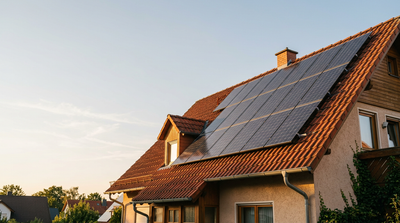



Du willst deine Bestandsimmobilie mit PV nachrüsten?
Gut so. Aber bevor du den ersten Schrauber ans Dach setzt, lohnt sich eine strukturierte Vorbereitung. Diese Checkliste hilft dir, nichts zu vergessen – von der Planung bis zur Kabelführung.
✅ Schritt 1: Dachzustand prüfen
- Ist die Dachkonstruktion für das Gewicht der Module geeignet? (Faustregel: ca. 15–25 kg/m²)
- Wie alt ist die Eindeckung? Module halten 25+ Jahre – wenn das Dach in 10 Jahren neu muss, lieber jetzt gleichzeitig.
- Gibt es bereits Schiefer, Trapezblech oder besondere Ziegel? Dann gelösen Befestigung und Durchführung besonderer Sorgfalt.
✅ Schritt 2: Ausrichtung und Verschattung analysieren
- Süd, Südwest oder Südost: optimal. Ost/West: möglich mit leichtem Ertragsverlust.
- Schornsteine, Bäume, Nachbarsgebäude: Wie viel Schatten fällt auf die geplante Fläche? Selbst 10% Schatten auf einem Modul kann den Strang deutlich reduzieren.
- Tipp: Tools wie Google Project Sunroof oder pvgis.ec.europa.eu geben eine erste Ertragschätzung.
✅ Schritt 3: Wechselrichter und Zähler klären
- Hat dein Zählerschrank Platz für den Wechselrichter? (Wandmontage, Nähe zur Einspeisung)
- Braucht dein Zähler einen Rücklaufhemmer oder einen neuen Zweirichtungszähler? → beim Netzbetreiber erfragen.
- Anmeldung beim Netzbetreiber vor Inbetriebnahme – nicht vergessen!
✅ Schritt 4: Kabelweg planen
Der Kabelweg vom Modul zum Wechselrichter ist einer der kritischsten Punkte bei der Nachrüstung:
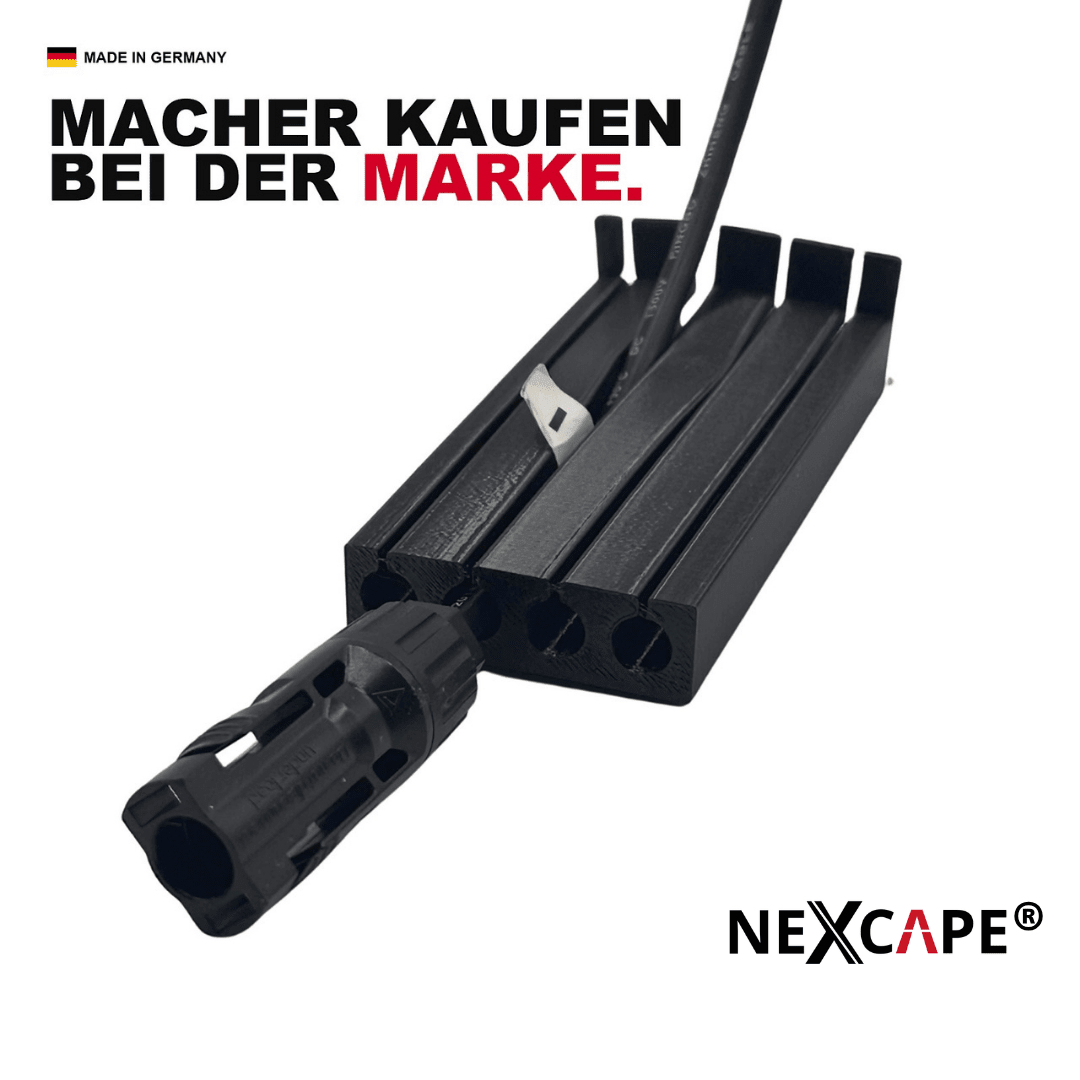
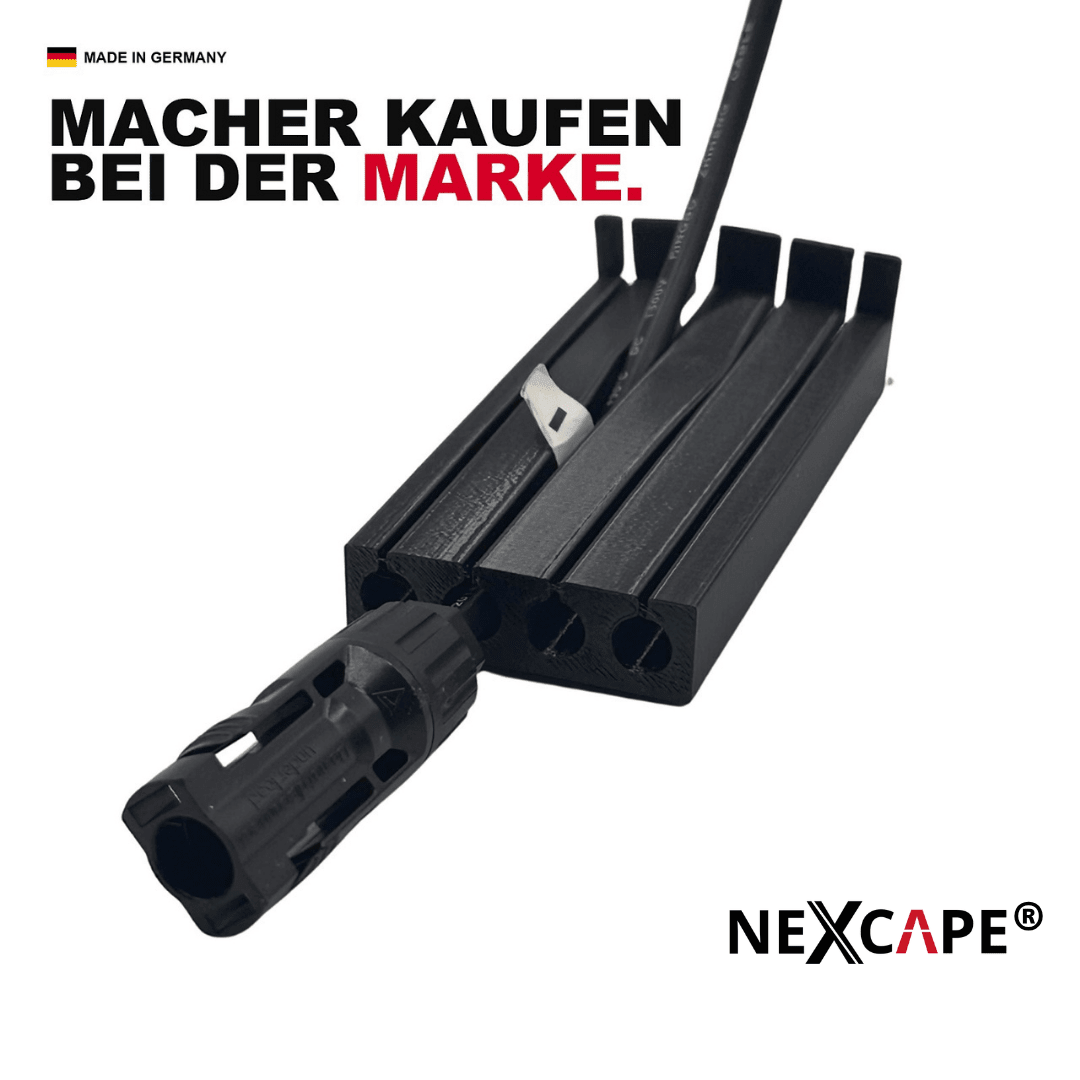
- Wo führt das Kabel durch die Dachhaut? Dieser Durchgang sollte fachgerecht ausgeführt und das Kabel dort dauerhaft vor dem Aufscheuern an der harten Dachhaut geschützt werden. Eine PV-Kabeldurchführung mit Abriebschutz übernimmt genau diese Aufgabe.
- Gibt es scharfe Kanten (Ziegelkanten, Dachlatten, Blechkanten), an denen das Kabel entlangführt? Hier ist mechanischer Schutz Pflicht.
- Ist der Kabelweg innen geborgenen (kein UV, kein Frost) oder läuft ein Teil außen am Gebäude entlang? Außenleitungen brauchen Leitungsschutz.
- Zugentlastung planen: direkt nach der Durchführung muss das Kabel fixiert sein.
✅ Schritt 5: Material beschaffen
- PV-Kabel (H1Z2Z2-K) in der richtigen Länge – immer Puffer einplanen
- MC4-Stecker oder kompatible Steckverbinder
- Kabeldurchführung mit Abriebschutz für den Dachpunkt
- Kabelschellen und Zugentlastung fürs Innere
- Dachhakenset und Montageschienen für die Modulbefestigung
✅ Schritt 6: Wer macht was?
Kabelverlegung und Modulmontage: je nach handwerklichem Geschick als Heimwerker möglich. Elektrischen Anschluss, Inbetriebnahme, Anmeldung beim Netzbetreiber und Einspeisevertrag: in Deutschland muss das ein zugelassener Elektrofachbetrieb übernehmen.
Fazit
Eine PV-Nachrüstung ist kein Hexenwerk – aber sie will gut geplant sein. Wer die Checkliste Punkt für Punkt abarbeitet, spart sich spätere Nacharbeiten und stellt sicher, dass die Anlage von Tag 1 an sicher und effizient läuft.
Die passenden Kabeldurchführungen mit Abriebschutz für dein Schrägdach findest du im NEXCAPE®-Shop.
Für die sichere, abriebgeschützte Kabelführung durchs Ziegeldach: PV-Kabeldurchführungen von NEXCAPE ansehen.