

Kabel verlegen klingt einfach — ist es aber nicht immer
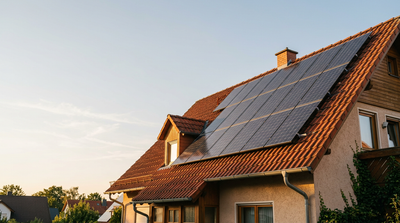
Eine Photovoltaikanlage auf dem eigenen Dach ist eine der besten Investitionen, die du als Hausbesitzer machen kannst. Aber zwischen dem Aufstellen der Module und dem ersten selbst erzeugten Strom liegt ein kritischer Schritt: die Kabelführung. Genau hier passieren die meisten Fehler — oft unsichtbar und mit Folgen, die erst Jahre später auftauchen.
Hier sind die 5 häufigsten Fehler beim Verlegen von PV-Kabeln — und wie du sie von Anfang an vermeidest.
| Fehler | Warum kritisch | Lösung |
|---|---|---|
| 1. Kabel über scharfe Dachkanten legen | Wind bewegt die Module, Temperaturwechsel dehnen das Kabel – Reibung genau an der Kante schleift es über die Jahre durch | Mechanischer Schutz an jeder Kante/Öffnung: Kabeldurchführung mit abriebfester Manschette |
| 2. Die Durchführung nur „irgendwie" abdichten | Bauschaum/normale Dichtmassen werden durch UV, Frost und Temperaturwechsel nach wenigen Jahren rissig | Durchführung nehmen, die für die Dachmontage ausgelegt ist (schützt vor Abrieb, führt sauber durch die Ziegelebene) – für die Regensicherheit sorgt die fachgerechte Ziegeleindeckung |
| 3. Zu wenig Kabellänge einplanen | Straffes Kabel reißt bei Bewegung/Wärmeausdehnung, zieht an der Einführung und kann die Durchführung aus ihrer Position ziehen | Puffer einplanen: mind. 20–30 cm extra pro Durchführungspunkt, keine mechanische Spannung |
| 4. Kabel ohne Zugentlastung fixieren | Ohne Zugentlastung hängt das ganze Kabelgewicht an der Durchführungsstelle | Direkt nach der Durchführung mit Kabel- bzw. Zugentlastungsschelle sichern |
| 5. Kabelschutz als „optional" betrachten | „Robust" heißt nicht „unverletzlich": ohne mechanischen Schutz kann die Isolierung in wenigen Jahren durchgescheuert sein → Isolationsfehler, Wechselrichter-Warnmeldung, im schlimmsten Fall Lichtbogen-/Brandrisiko | Schutz an der Durchführungsstelle von Anfang an einplanen |
Fehler 1: Kabel über scharfe Dachkanten legen
Dachziegel, Schiefer und Trapezblech haben eines gemeinsam: scharfe Kanten. Wenn ein PV-Kabel ungeschützt über eine solche Kante geführt wird, schleift es sich über die Jahre durch. Wind bewegt die Module minimal, Temperaturwechsel dehnen das Kabel aus und ziehen es wieder zusammen — all das erzeugt Reibung genau dort, wo die Kante liegt.
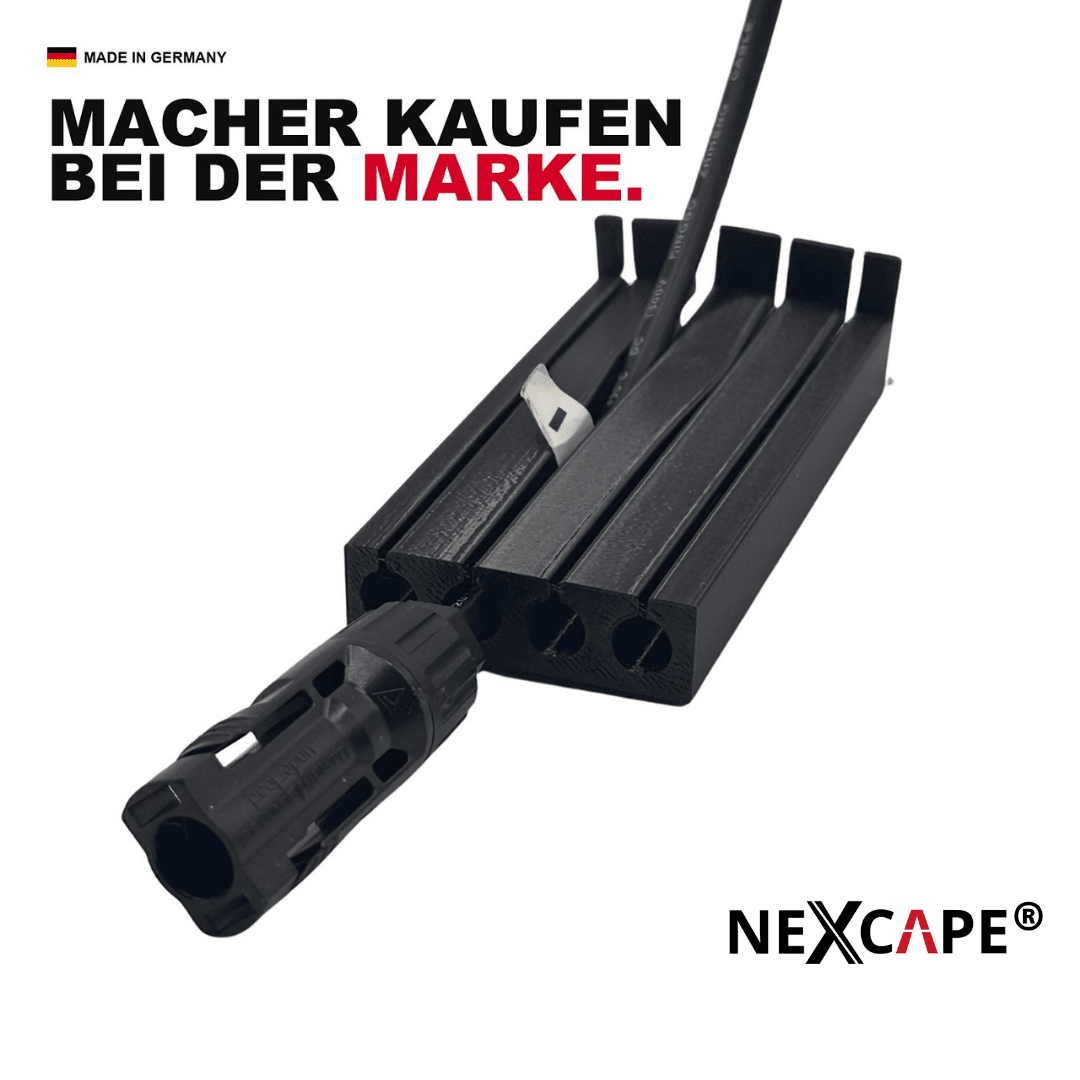
Die Lösung: An jedem Punkt, wo das Kabel eine Dachkante berührt oder durch eine Öffnung geführt wird, muss ein mechanischer Schutz her. Eine Kabeldurchführung mit abriebfester Manschette schützt das Kabel dauerhaft — ohne Nacharbeit.
Fehler 2: Die Dachdurchführung nur "irgendwie" abdichten
Ein Loch im Dach, durch das das Kabel läuft, muss dauerhaft dicht sein. Viele Heimwerker greifen zu Bauschaum oder normalen Dichtmassen — das funktioniert kurz, aber nicht langfristig. UV-Strahlung, Frost und Temperaturschwankungen lassen viele Dichtmittel nach wenigen Jahren rissig werden.
Die Lösung: Verwende eine Kabeldurchführung, die für die Dachmontage ausgelegt ist. Diese sind so konzipiert, dass sie das Kabel dauerhaft vor Abrieb an der Ziegelkante schützen und sauber durch die Ziegelebene führen — ohne regelmäßige Kontrolle oder Nachbesserung. Für die Regensicherheit sorgt die fachgerechte Ziegeleindeckung.
Fehler 3: Zu wenig Kabellänge einplanen
Kabel, die zu straff gespannt sind, reißen bei Bewegung oder Ausdehnung durch Wärme. Außerdem macht ein straff gespanntes Kabel bei der Dachdurchführung Probleme: Es zieht an der Einführung und kann im schlimmsten Fall die Durchführung aus ihrer Position ziehen.
Die Lösung: Plane immer einen Puffer ein — mindestens 20–30 cm extra für jeden Durchführungspunkt. Das Kabel darf an der Durchführung keine mechanische Spannung haben.
Fehler 4: Kabel ohne Zugentlastung fixieren
Direkt nach der Durchführung ins Gebäudeinnere muss das Kabel gesichert werden. Ohne Zugentlastung hängt das gesamte Kabelgewicht an der Durchführungsstelle — das belastet die Durchführungsstelle unnötig.
Die Lösung: Befestige das Kabel unmittelbar nach der Durchführung mit einer Kabelschelle oder Zugentlastungsschelle. Das nimmt die Last von der Durchführung. Wie du die Kabel auch auf der freien Dachfläche scheuerfrei fixierst (richtige Abstände Schellen), zeigt unser Ratgeber zur Solarkabel-Befestigung auf dem Dach.
Fehler 5: Den Schutz des Kabels als "optional" betrachten
Ein PV-Kabel ist für die Außenmontage gebaut — robust, für hohe Temperaturen ausgelegt. Aber "robust" bedeutet nicht "unverletzlich". Ohne mechanischen Schutz an der Durchführungsstelle kann die Isolierung innerhalb weniger Jahre durchgescheuert sein. Das Ergebnis: Isolationsfehler, Warnmeldungen im Wechselrichter, im schlimmsten Fall ein Brandrisiko durch Lichtbogen.
Die Lösung: Behandle den Kabelschutz an der Durchführung nicht als optionales Extra, sondern als Teil der Grundinstallation. Eine gute Durchführung mit abriebfestem Kabelschutz kostet wenig — ein Schaden später kostet viel mehr.
Kurz zusammengefasst
Die fünf Fehler auf einen Blick: Kabel über scharfe Kanten legen, schlechte Abdichtung, zu wenig Kabellänge, fehlende Zugentlastung und kein Kabelschutz. Wer diese Punkte von Anfang an richtig macht, muss sich 20 Jahre lang keine Gedanken um seine Kabelführung machen.
Du planst gerade deine PV-Installation oder willst eine bestehende Anlage nachrüsten? Im NEXCAPE®-Shop findest du Kabeldurchführungen mit integriertem Abriebschutz — speziell für den Einsatz am Schrägdach.
Der häufigste vermeidbare Fehler ist fehlender Kabelschutz an der Ziegelkante – dem beugen unsere PV-Dachdurchführungen (Abriebschutz, TPU) genau vor.
Passende PV-Dachdurchführungen aus unserer Manufaktur: Alle PV-Dachdurchführungen · Heimwerker-Variante ohne MC4-Ausbau · 125 mm für die Frankfurter Pfanne · 150 mm für fast alle Dachziegel
Du willst das ganze Thema an einem Ort? Unser kompletter Ratgeber: PV-Solarkabel sicher durchs Ziegeldach führen (2026) bündelt Größenwahl, Einbau, Materialkunde und FAQ – mit allen Detail-Anleitungen verlinkt.
Markenrechtshinweis: Genannte Produkt- und Markenbezeichnungen Dritter sind Eigentum der jeweiligen Inhaber. Die Nennung dient ausschließlich der Beschreibung der Produktkompatibilität (§ 23 MarkenG / Art. 14 EU-MarkenVO). Es besteht keine geschäftliche Verbindung zwischen NEXCAPE® (Roos Enterprises UG, Wildberg) und den genannten Herstellern.